
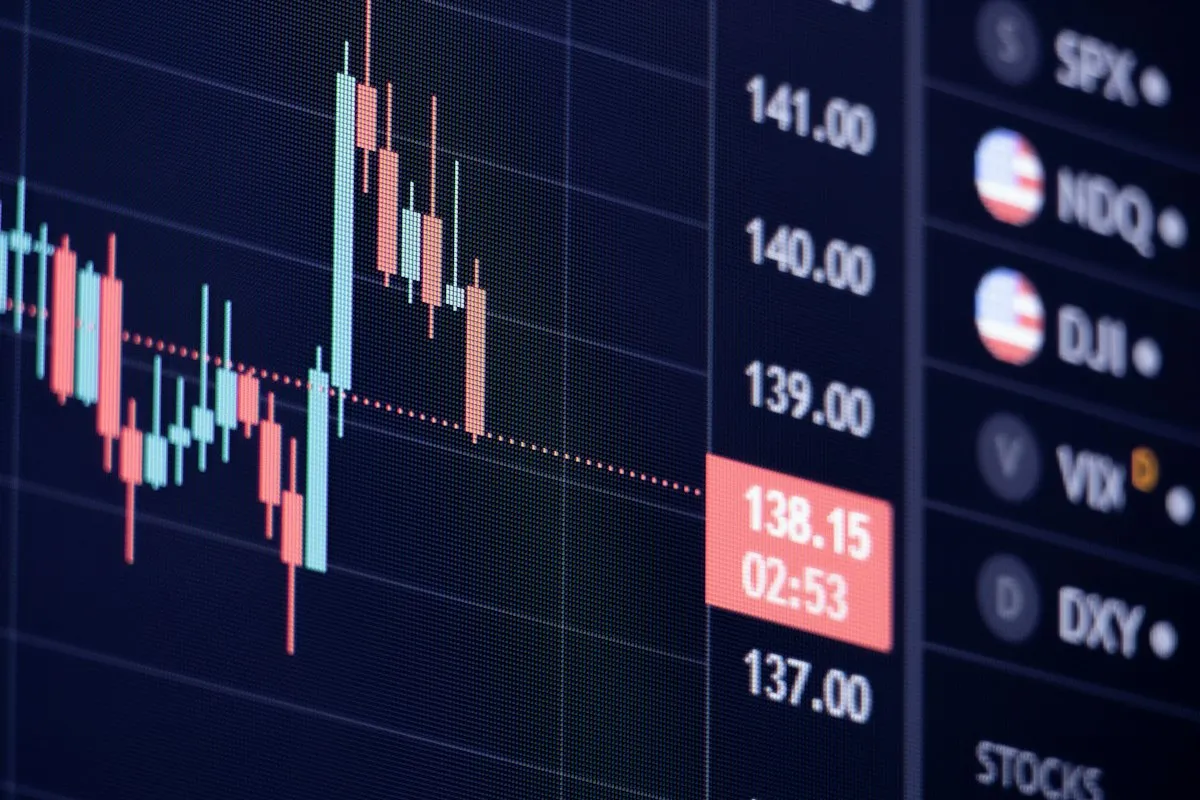
Trading Earnings Season and Quarterly Index Rebalancing With Automated Futures Bots: What to Turn Off and When
Your bots don't know it's earnings season. They don't know the S&P is about to reshuffle its constituents on quarterly rebalance day, either. All they know is the backtest — and the backtest was built on a market that, most days, behaves like the days around it. Four times a year, it doesn't.
Earnings season and quarterly index rebalancing aren't surprises. They're on the calendar months in advance. The traders who get hurt by them aren't the ones who didn't see it coming — they're the ones who let every bot in the portfolio trade through it exactly like any other Tuesday.
Why Earnings Season Breaks Backtested Assumptions
A bot's edge is built on a distribution — the typical range, the typical volume, the typical follow-through after a signal. Earnings season widens that distribution without warning which name or which day. Index futures like ES, NQ, and MES don't report earnings themselves, but they absorb the shock when a handful of mega-cap components beat or miss after the bell. A contract that normally opens inside its 20-day average range can gap a full day's worth of movement before your strategy has placed a single trade.
That matters most for bots with tight, range-based logic. A Scalper-style bot built to fade small moves inside a normal range, or an NR7 setup looking for the narrowest range of the last seven days to break, is reading a market that no longer looks like the one it was backtested on. The pattern it's trained to trust is still there — it's just surrounded by noise several times larger than usual.
Quarterly Rebalancing Is a Different Animal
Earnings season is a few concentrated weeks of unpredictable single-stock headlines. Quarterly index rebalancing is the opposite problem: a known, mechanical flood of order flow concentrated into a handful of minutes, usually the close on the third Friday of March, June, September, and December ("triple witching"), with the June and December dates carrying extra weight from Russell index reconstitution.
Volume on rebalance days can run multiples of a normal session — not because traders are reacting to news, but because index funds are forced to buy and sell exact share counts to match new index weights. A Volume Spike bot built to catch unusual volume as a signal of informed buying or selling can mistake mechanical rebalancing flow for a real move, because by definition, every volume filter on the book gets tripped at once.
Which PBT Bots Are Most Exposed
- ORB — opening range breakout logic assumes the first 5-15 minutes set a meaningful range. An earnings-driven gap can make that range meaningless before the bot even starts reading it.
- Scalper and NR7 — both lean on compressed, "normal" ranges. Abnormally wide ranges around earnings headlines can turn their entries into chasing volatility instead of fading it.
- Volume Spike — rebalance-day volume isn't informed order flow, it's mechanical flow. The signal still fires; the edge behind it doesn't necessarily hold.
- Snapback and 10 EMA — trend and mean-reversion bots built around a single moving average can get whipsawed when a rebalance flush reverses hard into the close.
None of this means every bot is broken on these days. It means the backtest's assumptions about "normal" are temporarily off, and that's worth a decision instead of an accident.
Building an Earnings-Season Toggle List
The Bot Portfolio Builder is the right tool for this, not a mid-session scramble. Before the heaviest earnings weeks (the two or three weeks when the largest index components report) and before each quarterly triple-witching Friday, build a toggle list the same way you'd build the portfolio itself:
- Flag which bots are range- or volume-dependent (ORB, Scalper, NR7, Volume Spike) versus trend-dependent (10 EMA) or reversal-dependent (Snapback).
- Decide in advance — not in the moment — which ones sit out the open on confirmed heavy-earnings mornings and the final 30-60 minutes of a rebalance day.
- Set the change the night before. A bot you're debating turning off mid-session is a bot you're already managing emotionally instead of mechanically.
This is the same discipline behind the news blackout windows traders already use around CPI and FOMC — earnings season and rebalancing days just need a wider, pre-scheduled version of the same rule instead of a single-morning pause.
What to Leave Running
Turning off every bot every earnings week trades one risk for another — missed opportunity and a portfolio that isn't actually being tested under real conditions. Bots with wider stops and less dependence on a "typical" range can often keep running unchanged. The goal isn't to go flat for six weeks a year. It's to stop pretending every bot handles abnormal volatility the same way a calm Tuesday does.
The Day-After Checklist
Once earnings season or a rebalance day has passed, don't just flip everything back on and move on. Pull up the Bot Portfolio Analyzer and check whether any bot that traded through the event posted a drawdown or correlation reading outside its normal pattern. A single bad day driven by abnormal conditions isn't a reason to abandon a strategy — but it is a reason to confirm the next few sessions look like the backtest again before you stop paying attention.
Earnings season and quarterly rebalancing aren't edge cases you can backtest your way around — they're calendar events every futures trader can plan for. Build the toggle list, respect it the same way you'd respect a daily loss limit, and your bot portfolio spends those weeks managed on purpose instead of just along for the ride.